

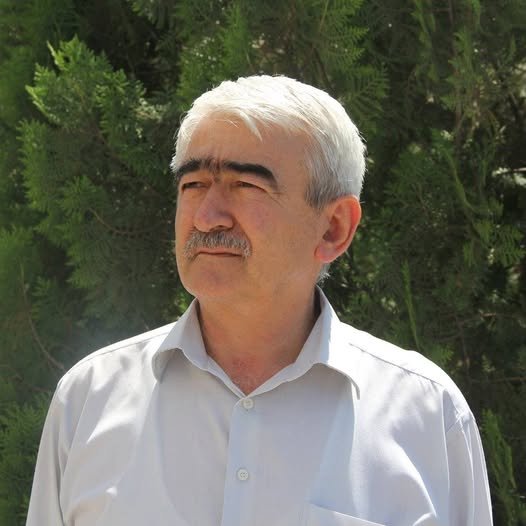
Today, on the birthday of Abdulqodir Rustam, one of Tajikistan’s prominent intellectuals and cultural figures, we take up the pen not only to offer congratulations, but also to express the concerns and reflections of society. The birthday of an intellectual who is in prison compels us to reflect on the place of scholars in society, human freedom, and the way society treats those devoted to literature and intellectual life.
An intellectual is more than a person who possesses knowledge. An intellectual is a guardian of language, a keeper of historical memory, a cultivator of sound thought, and a mirror reflecting society’s awakening. Through their words, writings, and ideas, writers and scholars contribute to the spiritual and cultural life of the nation. Therefore, the way intellectuals and cultural figures are treated is not merely a personal matter; it reflects society’s attitude towards knowledge, independent thought, and its own cultural values.
What could be more distressing than the fact that, on the birthday of a distinguished figure of intellectual and cultural life, instead of literary gatherings, congratulations from friends and fellow writers, and warm, heartfelt conversations, his name is associated with imprisonment?
This reality confronts us with a serious question: Can a society that values its knowledge and culture remain indifferent to the situation of an intellectual who is in prison?
Of course, no one should be above the law. However, the enforcement of the law must go hand in hand with respect for human rights, judicial fairness, and guarantees of a fair trial. These very principles strengthen public confidence in the law and state institutions.
Whenever human freedom and rights are at stake, society has the right to expect clear answers, credible evidence, and fair treatment. Silence cannot replace answers, nor can it make society’s questions disappear.
The history of nations demonstrates that the value of writers and scholars is determined not by the circumstances of their time, but by their works, ideas, and contributions to society. Books, ideas, and culture extend far beyond physical walls.
A nation that respects its intellectuals ultimately respects its own future. Spiritual and cultural development is impossible without freedom of thought, a culture of dialogue, and respect for human rights.
On Abdulqodir Rustam’s birthday, we should not only remember his contribution and character, but also reflect on the circumstances facing writers and intellectuals, the protection of citizens’ rights, and the need for humane treatment of every person in prison.
If there are legal matters concerning him, they must be addressed in full compliance with the law and with respect for the right to a defence. If concerns or unanswered questions remain regarding the process, they should be addressed with transparency and fairness. This is not a demand for special privileges for one individual, but a call to respect principles that must apply equally to every person.
We must speak openly: society’s respect for intellectuals and cultural figures should not be limited to ceremonial speeches, official celebrations, and attractive slogans. Respect for intellectuals must first and foremost be demonstrated through action: by protecting their rights, safeguarding their ability to express their views, and creating conditions in which scholars can serve society without fear of pressure.
If we speak about the development of science and culture, we must also pay attention to the actual state of freedom of thought. If we speak about honouring writers, we must not remain indifferent to their circumstances during difficult times. And if we regard justice as a supreme value, we must demand it not only for our friends and like-minded people, but for every human being.
Taking this position is not an act of hostility. It is a call for responsibility, transparency, and the protection of human values.
On Abdulqodir Rustam’s birthday, we call upon the relevant authorities to address his legal situation in accordance with the law, respecting human rights and the guarantees of a fair trial. At the same time, the cultural community, writers, and civil society organisations should be able to express their views on such matters freely and responsibly, within the framework of the law.
We believe that a society’s strength lies not in silencing questions, but in listening to them and finding fair answers. Respect for human rights and appreciation of culture must not remain mere slogans; they must become genuine standards governing relations within society.
Abdulqodir Rustam’s birthday should be more than a day of congratulations. It should also be a day for reflecting on human dignity, freedom of thought, the responsibility of the state, and the mission of intellectuals.
A nation that loves its culture must not remain indifferent to the fate of those who preserve and enrich it. Protecting human dignity, respecting the law, and valuing knowledge are three essential pillars of a healthy society.
On the occasion of Abdulqodir Rustam’s birthday, we wish him good health, patience, perseverance, and better days ahead. We hope that every matter concerning his rights and freedoms will be resolved with justice, transparency, and respect for the law.
With respect,
Tajik Youth for the Revival of Tajikistan (TYRT)